Louvre Abu Dhabi Fellowships and Grants: Funding, Themes and How to Apply
How the Louvre Abu Dhabi Fellowships and Grants Programme works: AED 85,000 to AED 245,000 grants, research themes, the annual timeline and how to apply.
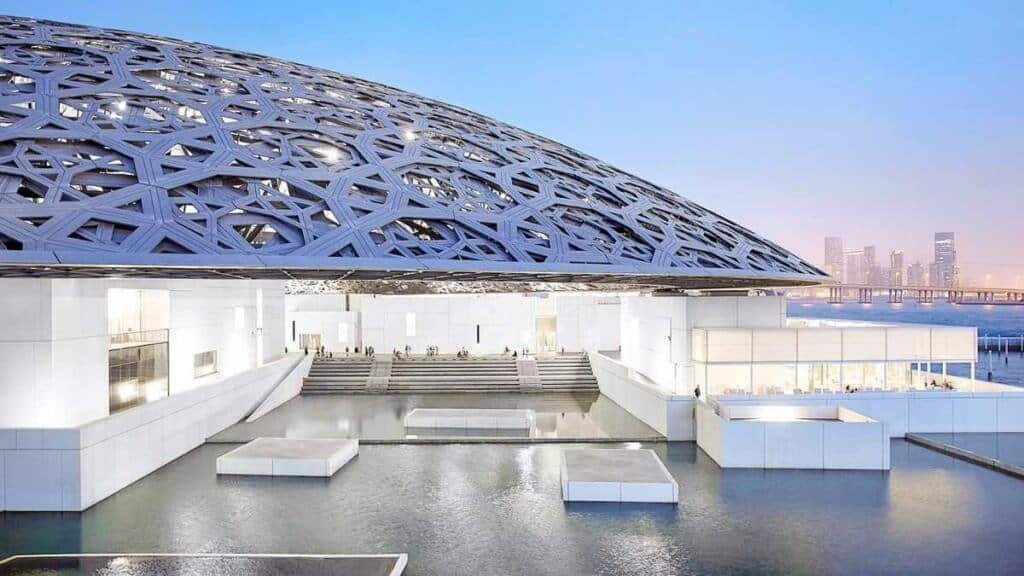
Louvre Abu Dhabi runs a paid research programme for art historians, museum specialists and heritage scientists from the UAE and abroad. Fellows spend three or nine months working at the museum on Saadiyat Island, with access to its library, Conservation Centre and Scientific Laboratory. Here is how it works, what it pays and when to apply.
What the fellowships pay
Fellowship: Short-term
Length3 monthsGrantAED 85,000Fellowship: Long-term
Length9 monthsGrantAED 245,000
Each grant covers a stipend, a return trip to Abu Dhabi and accommodation for the research period.
The three research themes
- Global history of museums and collections: how museums and collecting have developed across different cultures and periods.
- Circulation of styles, images and texts: how objects, techniques and ideas have travelled between regions.
- Precious materials and trade routes: the materials behind the art and the networks that moved them.
Proposals must fit one of these themes and make real use of the museum's collections and facilities.
When to apply
The programme runs on a yearly cycle. The second call opened in late November 2025, applications closed on 7 February 2026 and results were due in May 2026. If the pattern holds, expect the next call around the end of the year. Applications are made online through the Louvre Abu Dhabi website, and questions go to the museum's research team.
💡 WOW Expert Tip: Reviewers look hard at feasibility. Spell out which works, archives or lab facilities you will use and what you can realistically finish in three or nine months. A tight, achievable project beats a sweeping one.
Who can apply
The fellowships are open to scholars and museum professionals in the UAE and worldwide, in fields including art history, archaeology, museum studies, conservation and heritage science. Louvre Abu Dhabi employees are not eligible. Only complete applications with academic references are reviewed.
The first cohort
The first round drew 173 applications, and five fellows were chosen:
- Hamid Keshmirshekan (UK): how Middle Eastern modern art fits into a global art history.
- Helena Barranha (Portugal): how the public reinterprets the museum's architecture, including online.
- Mizuho Ikeda (Japan/UK): how sacred Hindu and Buddhist art is displayed in a global museum.
- Rhomaillessa Talhaoui (Morocco/France): early photographs of Mecca from 1880 to 1920 and the local photographers behind them.
- Suhaila Almansoori (UAE): pre-Islamic Christian heritage in the Emirates, including the 6th to 7th-century monastery on Sīnīya Island.
Planning a visit rather than a research stay? See our Saadiyat Island guide, our guide to Zayed National Museum next door and our list of cultural things to do in Abu Dhabi.
Frequently asked questions
How much does a Louvre Abu Dhabi fellowship pay?
Short-term fellowships of three months pay AED 85,000, and long-term fellowships of nine months pay AED 245,000. Both cover a stipend, travel and accommodation.
When is the deadline?
The last call closed on 7 February 2026. Calls have opened in late November, with results in May, so watch the museum's website towards the end of the year.
Is this a Louvre Abu Dhabi internship?
No. The fellowships are funded research positions for scholars and museum professionals. Students looking for work placements should check the museum's careers page instead.
Can UAE residents apply?
Yes. The programme is open to researchers based in the UAE as well as internationally. The only group excluded is Louvre Abu Dhabi staff.